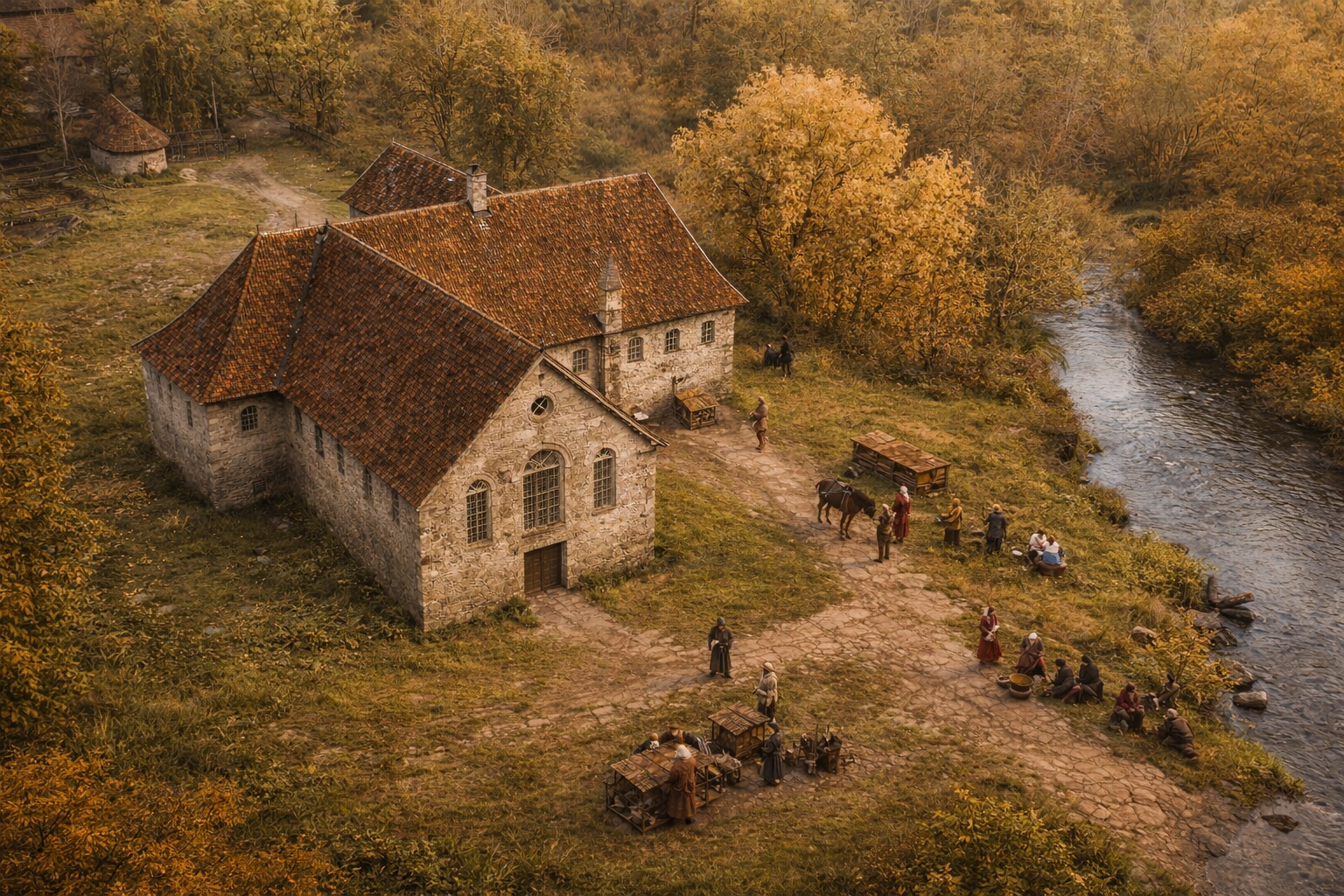
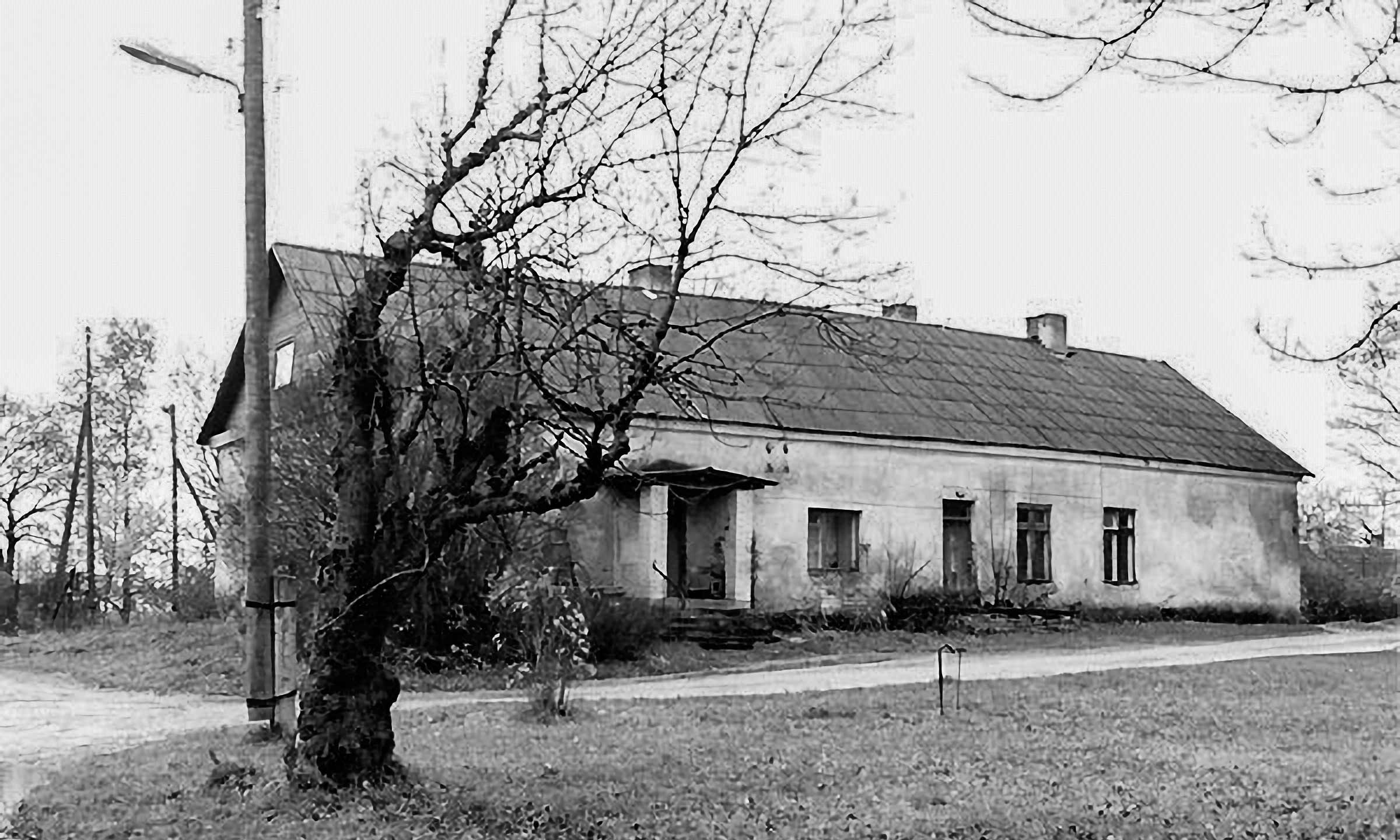
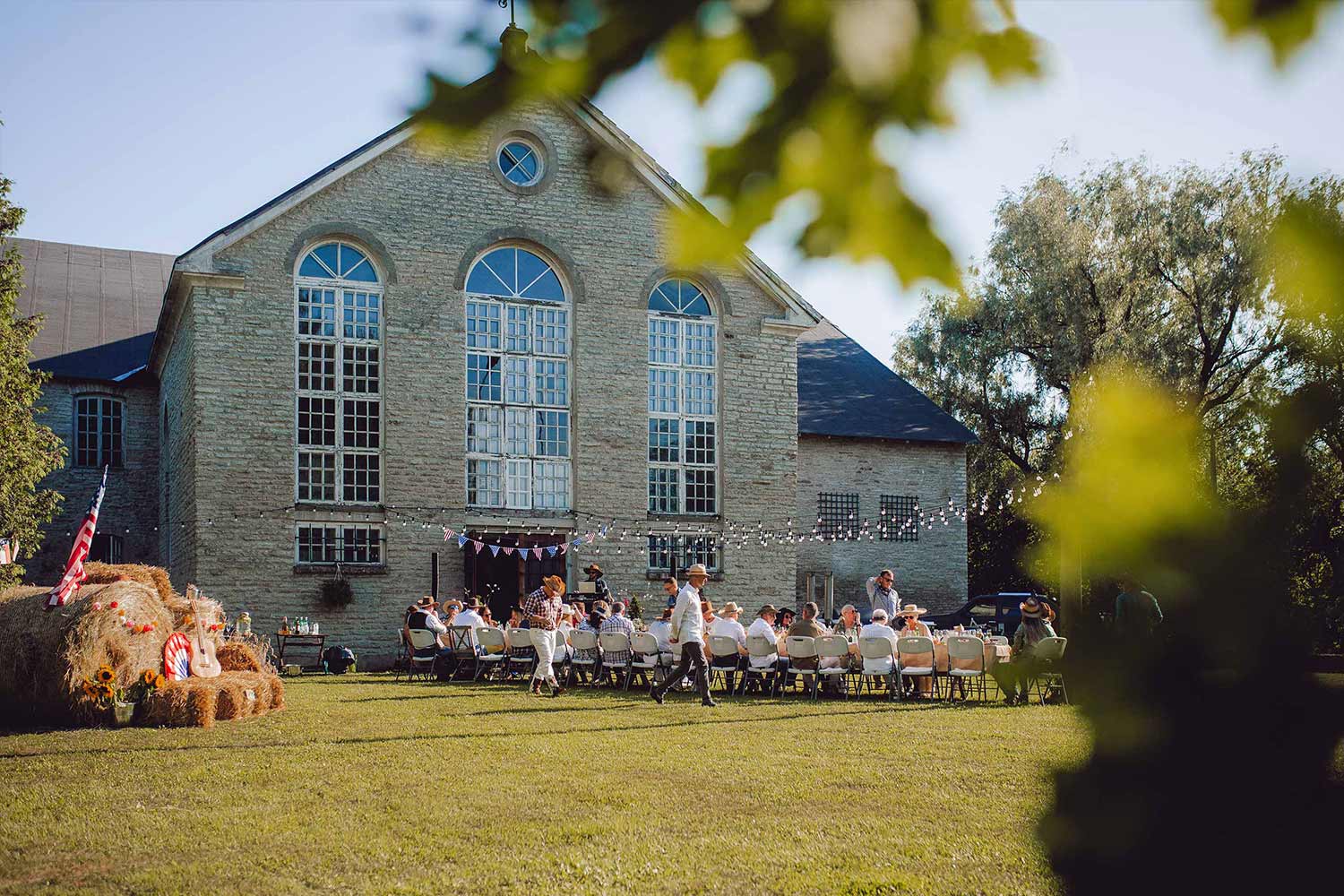
Lagedi Castle, historically known as Lagedi Manor and by its German name Laakt, was first mentioned in written records in 1397. The estate developed in medieval northern Estonia, where manor centers often grew around early stone buildings that signaled authority and land control. In that sense, Lagedi belongs to the long manor tradition that helped shape the region’s architectural landscape.
A Medieval Estate in Harju County
4th–16th centuries / Late Medieval to Early Modern period
Located near Tallinn in present-day Harju County, Lagedi was part of a wider network of estates that structured rural life in medieval and early modern Estonia. Historical references describe the manor as an established local center with roots reaching back to the late Middle Ages. Its long continuity makes it one of the area’s enduring historic sites.
Noble Ownership Through the Centuries
16th–17th centuries / Early Modern period
By the end of the 16th century, Lagedi Manor belonged to Hans Wahtmeister, and by the end of the 17th century it had passed to the von Tiesenhausen family. Like many Baltic estates, it changed hands as political power and noble fortunes shifted across Livonia and later the Russian Empire. These transfers linked Lagedi to the broader story of Baltic German landownership in Estonia.
Change After the Northern War
18th century / Imperial period
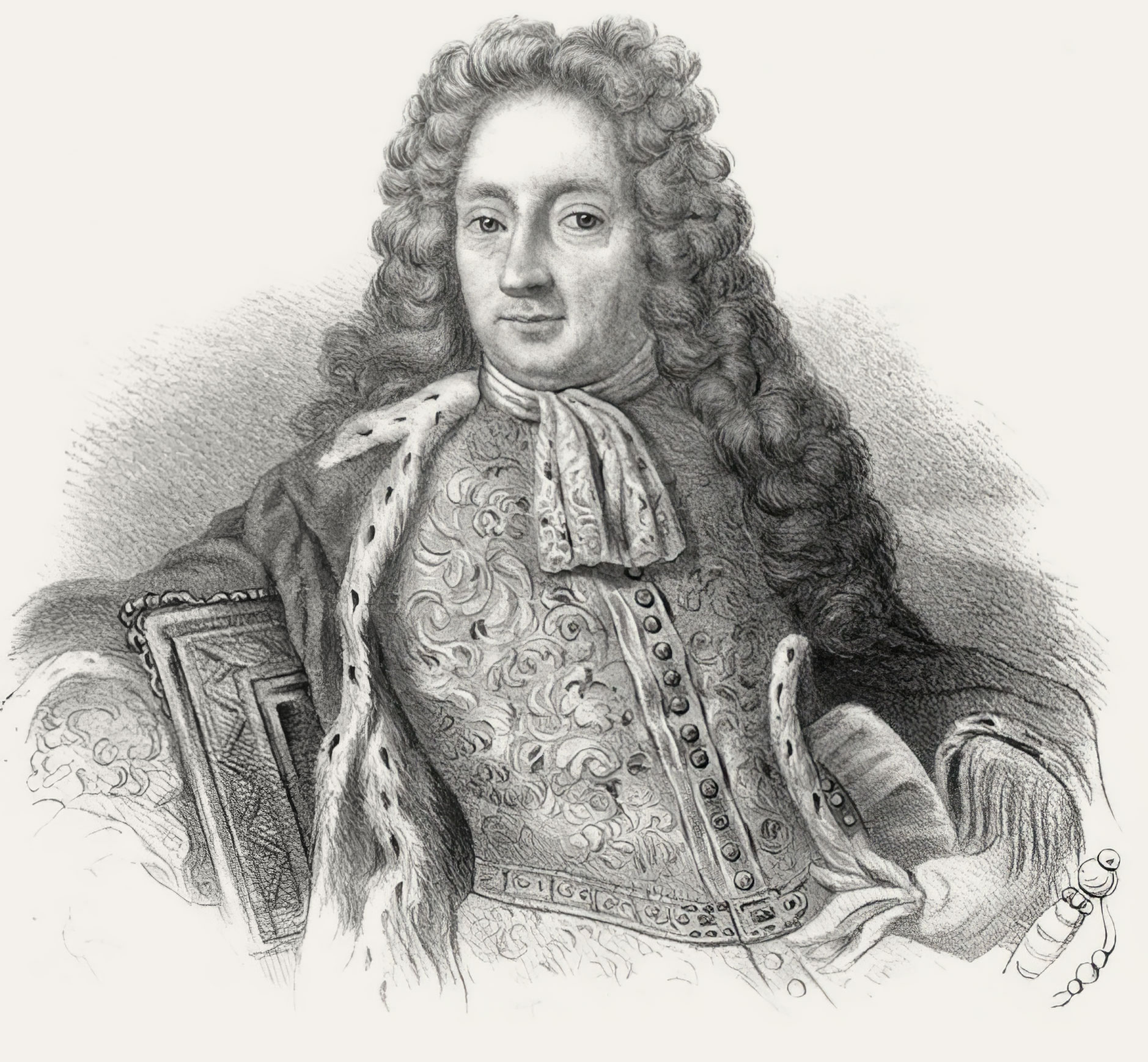
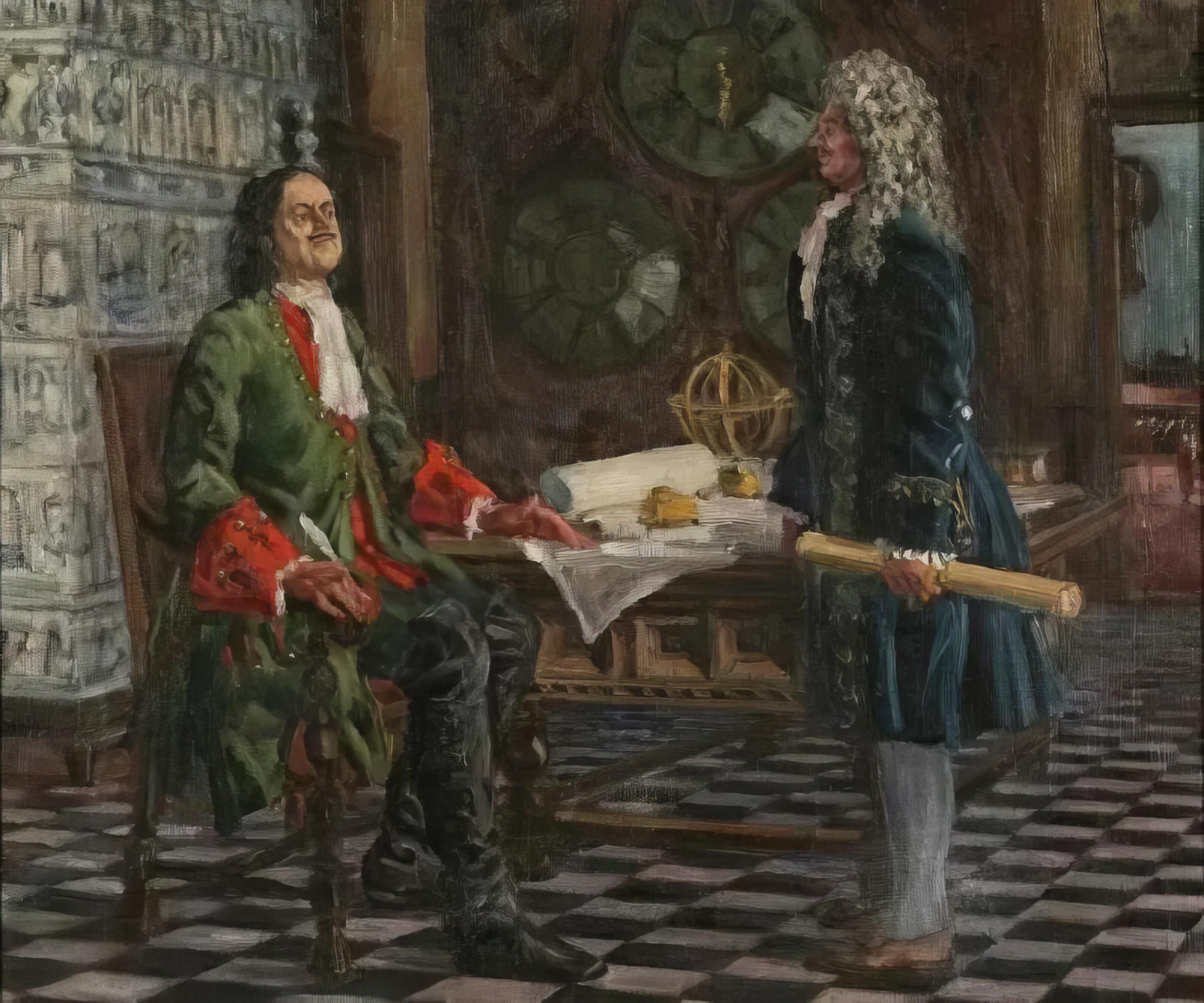
Sources note that after the Great Northern War the manor was first connected with Alexander Menshikov, and in 1727 it became a state manor. In 1758 it passed again into private ownership, reflecting the repeated administrative and social changes that affected Estonian estates in the 18th century. This period placed Lagedi within the imperial order that defined manor life for generations.
From Estate Center to Modern Community
Early 20th century / Modern era
The 1919 land reform in independent Estonia ended the old manor era by expropriating knight manors from their historic owners, and Lagedi was part of that transformation. Across Estonia, former manor centers were divided, repurposed, or adapted for new public uses rather than aristocratic life. Lagedi’s history therefore reflects the national shift from feudal estate to modern community space.
Lagedi Castle in Modern Time
21st century / Contemporary era
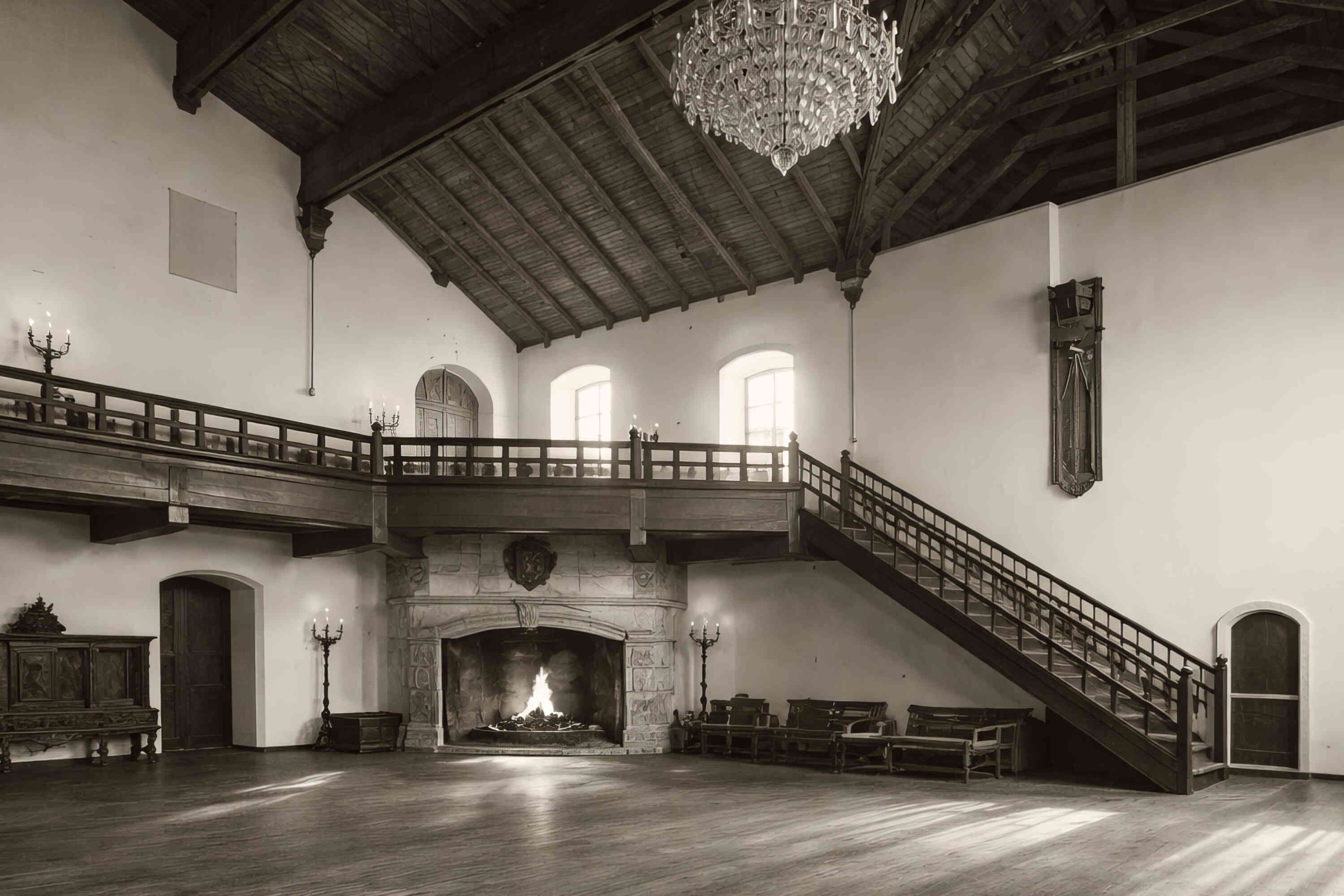
Today, Lagedi Castle is presented as a heritage destination that connects visitors with centuries of local history and cultural memory. Its story combines medieval origins, noble ownership, state reorganization, and modern reuse into a single historical narrative. For a website, this makes Lagedi not only a beautiful place, but also a landmark shaped by the major turning points of Estonian history.